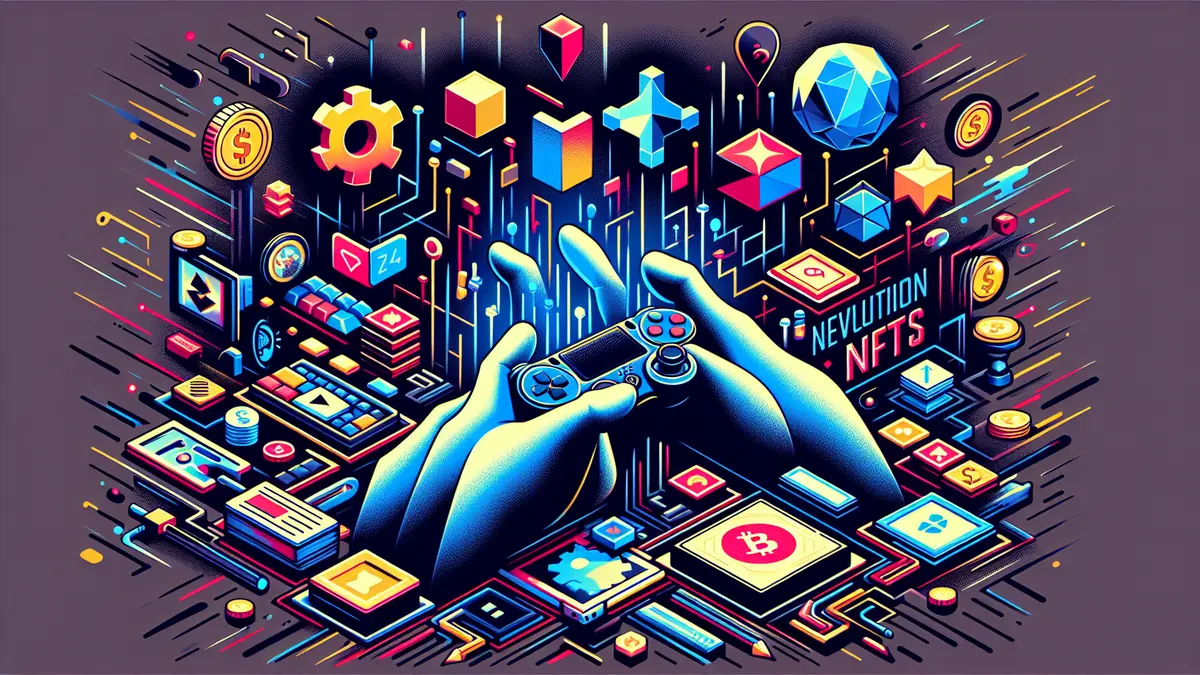
The gaming industry is experiencing a seismic shift as NFTs and blockchain technology transform how players interact with virtual worlds, own digital assets, and monetize their gaming experiences. Major gaming studios and independent developers alike are racing to integrate these technologies, creating new economic models that blur the lines between entertainment and investment.
Current Landscape of Blockchain Gaming
The blockchain gaming sector has exploded in recent months, with the market capitalization of gaming tokens surpassing $20 billion in early 2024. Industry analysts project the blockchain gaming market to reach $65 billion by 2027, growing at a compound annual growth rate of 70%. Leading platforms like Axie Infinity, The Sandbox, and Decentraland have demonstrated the viability of play-to-earn models, where players can generate real income through gameplay and asset ownership.
Key Technological Innovations Driving Change
Several technological breakthroughs are accelerating blockchain adoption in gaming. Smart contracts enable transparent, automated transactions for in-game assets, while layer-2 scaling solutions like Polygon and Immutable X address previous concerns about high transaction fees and slow processing times. Cross-chain interoperability allows players to transfer assets between different gaming ecosystems, creating a unified metaverse experience.
Major gaming companies are also investing heavily in infrastructure. Ubisoft’s Quartz platform, Square Enix’s blockchain initiatives, and Epic Games’ support for blockchain-based games signal mainstream acceptance. These developments are creating new opportunities for game developers to build sustainable economic models that benefit both creators and players.
Impact on Players and the Gaming Economy
For gamers, blockchain technology offers unprecedented ownership rights over digital assets. Unlike traditional games where items remain the property of developers, NFTs allow players to truly own, trade, and sell their virtual possessions. This has created new career paths, with professional gamers and content creators earning substantial incomes through strategic gameplay and asset management.
The economic implications extend beyond individual players. Gaming guilds have emerged as significant players in the blockchain gaming ecosystem, pooling resources to acquire valuable assets and renting them to players. This democratization of access has made blockchain gaming more inclusive, allowing participants with limited capital to engage in play-to-earn opportunities.
Challenges and Future Outlook
Despite the rapid growth, the blockchain gaming industry faces several challenges. Environmental concerns regarding energy consumption, regulatory uncertainty, and the need for improved user experience remain significant hurdles. However, the transition to proof-of-stake mechanisms and increasing regulatory clarity are addressing these issues.
Industry experts predict that the next wave of blockchain games will focus on gameplay quality rather than just economic incentives. “The future of gaming isn’t just about earning tokens; it’s about creating immersive experiences where blockchain technology enhances rather than defines the gameplay,” notes Sarah Chen, blockchain gaming analyst at DappRadar.
As the technology matures, we can expect to see more sophisticated gaming experiences that seamlessly integrate blockchain elements. The convergence of virtual reality, artificial intelligence, and blockchain technology promises to create entirely new forms of interactive entertainment that could reshape the $200 billion global gaming industry.
Reach out to us for personalized consultation based on your specific requirements.